The Interplay Between Tiered Incentives and Transaction Speeds in Mobile Gaming Platforms
Written by Harper Krüger · Nov 19, 2026
The Interplay Between Tiered Incentives and Transaction Speeds in Mobile Gaming Platforms
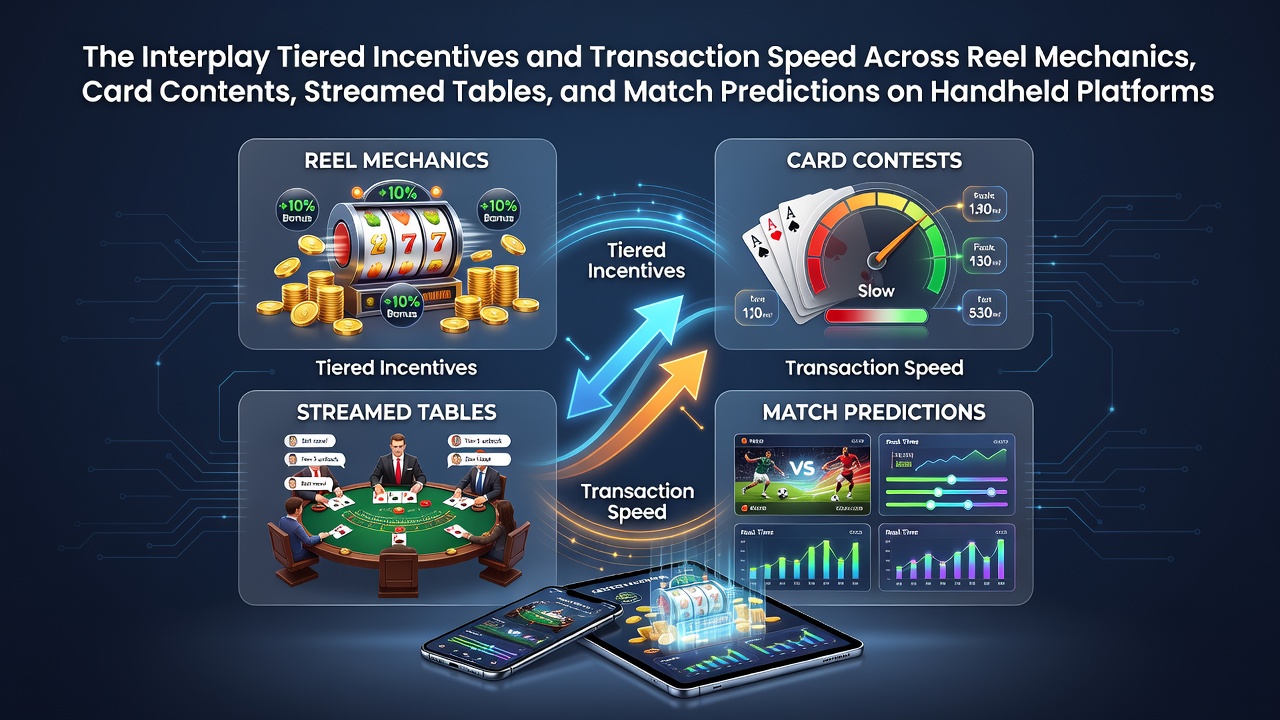
Handheld platforms have integrated tiered incentive structures with accelerated transaction mechanisms to support reel mechanics, card contests, streamed tables, and match predictions in coordinated ways, and data from industry reports shows these elements interact through loyalty layers that unlock faster deposit and withdrawal options across sessions. Observers note that players who advance through VIP tiers often gain access to prioritized payment rails, which reduces processing delays during extended play periods on mobile devices.
Understanding Tiered Incentives in Digital Gaming Ecosystems
Tiered incentive programs operate through progressive reward levels that grant escalating benefits based on activity volume, and these structures commonly tie bonus multipliers or cashback rates to verified transaction histories. Research indicates that such systems encourage sustained engagement by linking higher status to preferential treatment in payment processing speeds, which allows quicker access to funds for continued participation in reel spins or betting markets.
Studies from academic institutions reveal that incentive tiers frequently incorporate mobile-specific features such as instant reload bonuses that activate upon reaching deposit thresholds, and these mechanics streamline transitions between different game types without interrupting flow. Those who track player behavior patterns find that faster transaction approvals correlate with increased time spent across varied formats, including card-based contests and prediction markets.
Transaction Speed as a Core Enabler Across Formats
Payment velocity influences how seamlessly users move between reel mechanics and other activities, because rapid fund transfers minimize downtime and maintain momentum in sessions that span multiple categories. Figures from regulatory bodies in North America demonstrate that platforms optimizing for sub-second confirmations see higher retention rates when users switch from slot reels to live streamed tables or sports wagers.
But here's the thing: integration of digital wallets with tiered rewards creates feedback loops where quicker settlements unlock additional perks, and this dynamic applies equally to blackjack hands, roulette streams, and football match predictions on handheld screens. Data shows processing times under 30 seconds become standard at upper tiers, supporting uninterrupted sequences of play.
Application to Reel Mechanics and Card Contests
Reel-based games benefit from incentive-driven transaction speed because players can reinvest winnings immediately into new spins without waiting for clearance, and card contests gain similar advantages when users at elevated tiers access expedited buy-ins or chip reloads. One analysis of mobile usage patterns found that participants in progressive reward schemes completed more hands per hour when paired with instant transfer options compared to standard accounts.
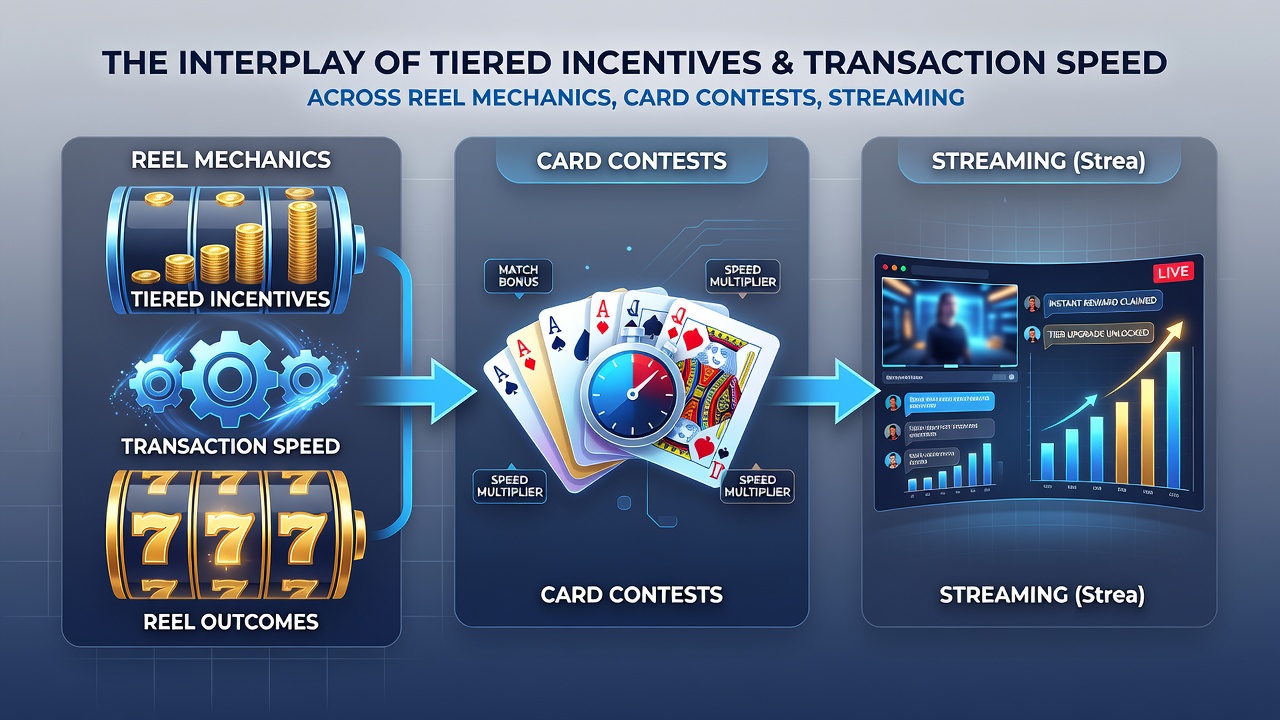
Card contest environments on handheld devices often feature loyalty points that convert directly into faster withdrawal approvals, and this linkage allows players to capitalize on short-term opportunities in poker or blackjack tournaments. Evidence from industry tracking indicates that platforms emphasizing these connections report measurable upticks in cross-format activity, where reel sessions feed into card play and vice versa through seamless funding.
Streamed Tables and Match Predictions on Mobile
Live streamed tables integrate tiered incentives by offering priority seating or enhanced camera angles to higher-status users, while transaction speed ensures bets and side wagers process without lag during real-time dealer interactions. Observers tracking these environments note that mobile users at advanced loyalty levels experience reduced confirmation intervals, which preserves engagement in fast-paced roulette or baccarat rounds.
Match prediction features draw from the same interplay, since quick deposits enable rapid adjustments to live odds, and reward tiers frequently include boosted payouts that activate upon meeting volume targets. Reports compiled by organizations such as the American Gaming Association highlight how these mechanics support fluid movement between prediction markets and other mobile offerings, with data points collected through November 2026 showing consistent growth in combined usage metrics across regions.
Platform-Specific Considerations on Handheld Devices
Handheld platforms leverage operating system capabilities to accelerate both incentive tracking and payment execution, and developers design interfaces that display tier progress alongside transaction status for immediate visibility. This setup allows users to monitor how recent activity advances their status while confirming fund movements in the background, which supports extended sessions across reels, cards, streams, and predictions without friction.
Additional research from groups like the Responsible Gambling Council in Canada underscores the role of mobile-optimized systems in maintaining consistent performance, where tiered perks directly influence the availability of near-instant processing for deposits that fund diverse game types. Patterns observed in usage logs reveal that these features promote balanced participation rather than concentration in single categories.
Conclusion
The connections between tiered incentives and transaction speed continue to shape mobile gaming across reel mechanics, card contests, streamed tables, and match predictions by creating pathways for efficient fund movement tied to user progression. Available data illustrates how these elements operate in tandem on handheld platforms, supporting varied engagement without unnecessary interruptions, and future updates in system design are expected to refine these interactions further based on ongoing performance metrics.