Seamless Transaction Routes Linking Slot Automation, Interactive Tables, Live Dealer Broadcasts, and Sports Event Markets via Reward Tiers
Written by Anna Neumann · Jun 23, 2026
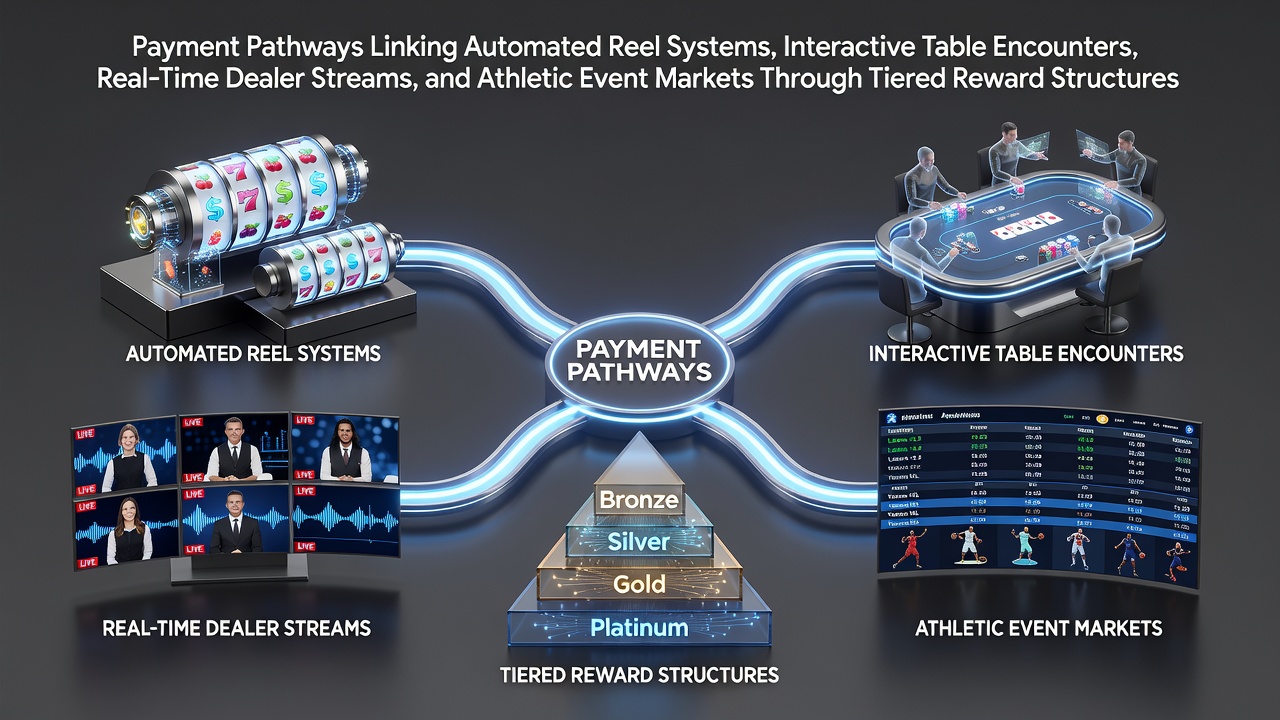
Seamless Transaction Routes Linking Slot Automation, Interactive Tables, Live Dealer Broadcasts, and Sports Event Markets via Reward Tiers
Payment pathways have evolved to connect automated reel systems with interactive table encounters, real-time dealer streams, and athletic event markets through structured tiered reward mechanisms that facilitate movement across platforms. Operators integrate digital wallets and processing networks so users can shift balances between slot reels and table interfaces without interruption, while reward tiers adjust withdrawal speeds and bonus allocations based on accumulated activity across these categories.
Core Components of Integrated Payment Systems
Automated reel systems operate through random number generators that process rapid spins, yet their funding relies on the same backend ledgers that support interactive table encounters where players select bets in real time. Real-time dealer streams add broadcast layers that require stable connections for video feeds, and these often link directly to athletic event markets where odds fluctuate with live scores. Tiered reward structures organize player levels from entry to elite status, granting incremental benefits such as reduced transaction fees or priority access to certain games once volume thresholds are met.
Research from the American Gaming Association indicates that cross-platform payment integration increased by measurable margins in regulated markets during recent years, allowing balances earned on reels to transfer seamlessly into table sessions or sports wagers. Those who've examined system architectures note that single-account ledgers reduce friction when users move from one category to another, especially when reward tiers unlock faster processing for higher-volume participants.
How Tiered Rewards Influence Transaction Flows
Tiered structures typically begin with basic access that permits standard deposits and withdrawals across all game types, then progress to intermediate levels offering cashback percentages applied uniformly to reel wins, table outcomes, dealer stream results, and sports market settlements. Elite tiers frequently include dedicated account managers and expedited verification for large transfers, which observers note helps maintain continuity when activity spans multiple formats simultaneously. Data shows that participants reaching upper tiers complete more cross-category sessions because reward multipliers apply to combined play rather than isolated segments.
One documented case involves platforms that automatically adjust reward points when funds move from athletic event markets back into reel systems, crediting additional incentives based on total handle rather than single-game performance. Such mechanisms rely on centralized databases that track activity timestamps and amounts, ensuring reward calculations remain consistent even during peak periods when dealer streams and sports markets operate concurrently.

Technical Integration Across Game Categories
Backend systems synchronize reel automation with table interfaces through API connections that authenticate user sessions across devices, while live dealer streams transmit encrypted data packets alongside transaction confirmations. Athletic event markets pull from teh same payment rails, enabling users to place wagers during ongoing events without separate funding steps. As of June 2026, several platforms reported expanded use of unified wallets that support instant transfers between these segments, with tiered rewards determining the fee structures applied to each movement.
Industry reports from the Nevada Gaming Control Board highlight how regulatory frameworks require audit trails for all cross-category transfers, ensuring that reward tier advancements reflect verified activity rather than isolated deposits. This approach maintains compliance while allowing operators to design incentives that encourage broader engagement across reels, tables, streams, and sports markets.
Security and Compliance in Layered Reward Models
Payment pathways incorporate multi-factor authentication that applies uniformly whether funds originate from reel systems or athletic event settlements, and reward tiers often include additional verification layers for higher-value transactions. Compliance standards mandate that operators document how tier benefits affect processing times across interactive table encounters and real-time dealer sessions, preventing discrepancies in reward distribution. Figures from various regulatory sources reveal steady adoption of encryption protocols that protect data flows between all connected game types.
Those monitoring system performance note that tiered structures can streamline reconciliation processes because reward points aggregate across categories into single ledgers, reducing the need for separate tracking systems for each format. This consolidation supports efficient audits while preserving the distinct operational characteristics of automated reels versus live dealer broadcasts.
Conclusion
Payment pathways that link automated reel systems, interactive table encounters, real-time dealer streams, and athletic event markets through tiered reward structures continue to develop around unified ledgers and synchronized processing networks. These connections rely on established technical standards and regulatory oversight that ensure consistent application of benefits across game categories. Data from organizations such as the American Gaming Association and the Nevada Gaming Control Board demonstrates measurable growth in integrated transaction volumes, reflecting broader adoption of systems designed to handle activity spanning multiple formats without disruption.