Mapping Digital Transfer Networks That Unite Automated Reel Sequences With Interactive Table Sessions, Broadcast Interactions, and Athletic Market Fluctuations Through Hierarchical Reward Mechanisms
Written by Anna Neumann · May 28, 2026
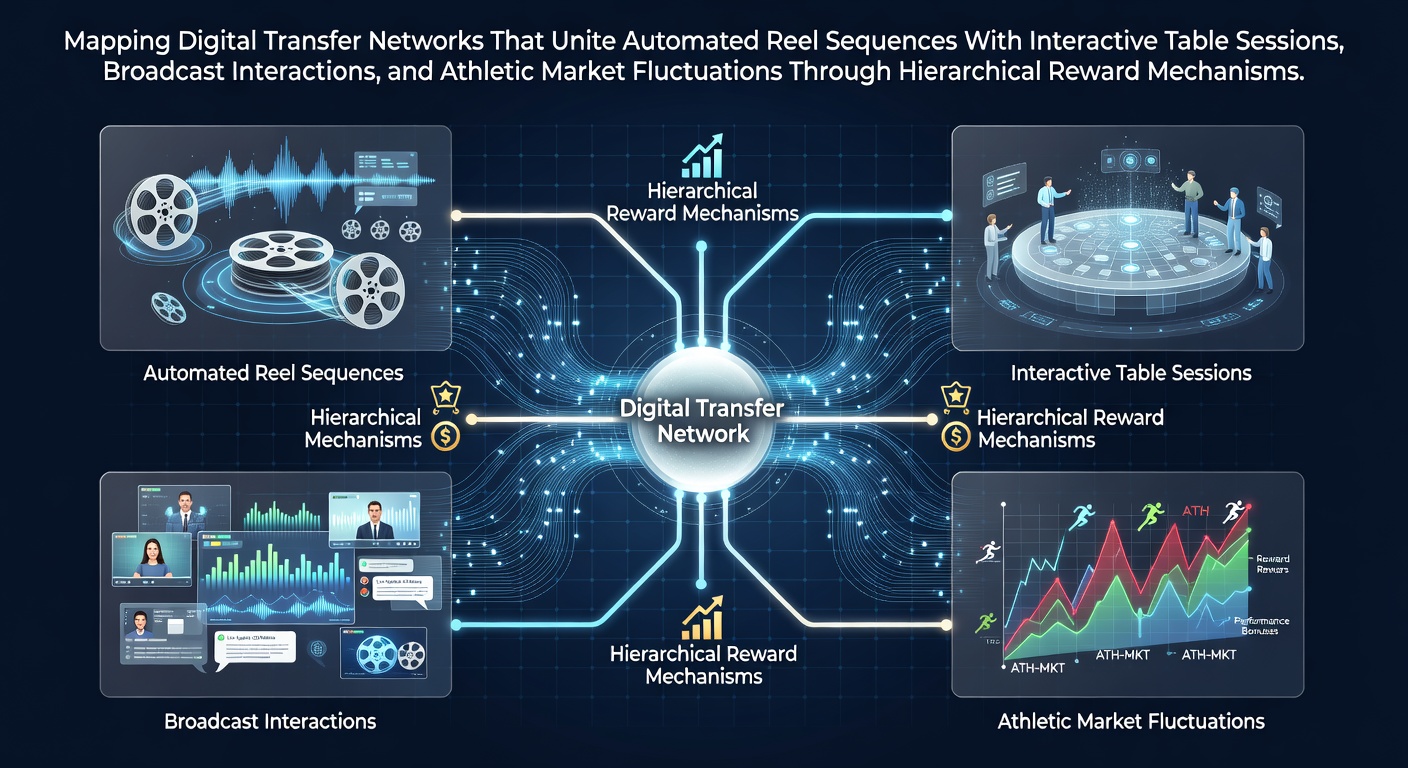
Mapping Digital Transfer Networks That Unite Automated Reel Sequences With Interactive Table Sessions, Broadcast Interactions, and Athletic Market Fluctuations Through Hierarchical Reward Mechanisms
Digital transfer networks have emerged as central infrastructure in modern gaming platforms, where automated reel sequences connect directly to interactive table sessions, broadcast interactions, and athletic market fluctuations through layered reward systems that track player activity across multiple formats.
These networks operate by assigning unique identifiers to each user session, allowing seamless movement between slot mechanics that generate random outcomes and table environments that require real-time decisions, while simultaneously feeding data into live dealer streams and sports wagering interfaces that respond to live event changes.
Core Components of Integrated Transfer Systems
Hierarchical reward mechanisms form the backbone of these networks, where initial participation in reel sequences builds base points that convert into credits usable across table sessions and broadcast events, and further accumulation unlocks tiered access to athletic market fluctuations with adjusted odds or enhanced payout structures. Researchers at institutions like the University of Nevada have documented how such point systems reduce friction in player transitions, enabling operators to maintain engagement without separate login processes for each category.
Data flows through centralized ledgers that record every spin, hand, or bet placement, then apply algorithms to adjust reward multipliers based on frequency and volume, which in turn influences availability of features like instant table entry or live stream participation bonuses that tie into ongoing sports market shifts.
Technical Architecture Behind Cross-Format Linkages
API endpoints serve as the primary connectors in these networks, pulling data from reel engines that process thousands of automated sequences per minute and routing portions of that activity into table management systems where interactive decisions occur, while parallel channels feed broadcast platforms that host dealer interactions and sports data aggregators that update athletic odds in real time. According to reports from the American Gaming Association, platforms implementing these architectures saw transaction volumes increase by measurable margins in 2025, particularly when reward tiers synchronized across all four domains.
Encryption protocols secure the transfer paths, ensuring that player balances and reward statuses remain consistent whether someone moves from a reel sequence into a live table session or shifts focus toward broadcast interactions that incorporate athletic market data, and backend servers handle reconciliation tasks that prevent discrepancies during high-volume periods.
One documented case involved a European operator that linked progressive reel jackpots to table game leaderboards, then extended those same reward ladders into sports betting interfaces where market fluctuations triggered additional bonus releases during major athletic events.

Operational Patterns Observed in May 2026
By May 2026, several platforms had refined their hierarchical structures to include dynamic weighting, where activity in athletic market fluctuations received higher point multipliers during peak seasons, encouraging players who started with automated reel sequences to explore interactive table sessions and broadcast formats without losing accumulated status. Industry analyses from groups such as the Canadian Gaming Association indicate that these adjustments correlated with broader session durations across integrated environments.
Wallet integrations play a supporting role, allowing instant conversion of rewards earned in one area into usable funds for another, while maintaining audit trails that satisfy regulatory requirements in multiple jurisdictions and support the overall mapping of transfer pathways.
Player Pathway Examples Across Formats
Consider sequences where initial spins on automated reels generate entry-level rewards that unlock table session invitations, after which continued play feeds into broadcast interactions featuring live dealer elements and finally connects to sports interfaces where athletic market fluctuations offer tailored promotions based on prior activity levels. Observers note that such pathways keep participation metrics stable even when individual game preferences shift.
Another pattern shows players entering through sports betting interfaces during major events, accumulating points that transfer backward into reel sequences or table environments, demonstrating the bidirectional nature of the networks when hierarchical rewards are properly calibrated.
Data Synchronization and Reward Calibration
Real-time synchronization engines update reward balances across all connected formats within seconds of any transaction, preventing situations where points earned in table sessions fail to appear in athletic market interfaces or broadcast participation tools. Studies from academic sources including the University of Queensland's gambling research unit have examined how calibration algorithms balance incentive distribution to avoid over-concentration in any single category.
These mechanisms also incorporate seasonal adjustments, such as increased multipliers for athletic events in May 2026 that pulled activity from reel and table domains into sports markets while preserving overall network stability through automated rebalancing protocols.
Conclusion
Mapping these digital transfer networks reveals a structured system where automated reel sequences, interactive table sessions, broadcast interactions, and athletic market fluctuations operate as interconnected nodes under unified hierarchical reward mechanisms that track and redistribute value based on cumulative participation. The architecture supports fluid movement between formats while maintaining consistent data integrity and reward progression across platforms.