Interwoven Incentives: How Loyalty Frameworks Enhance Transitions Between Digital Reels, Card Tables, and Athletic Markets on Portable Devices
Written by Harper Krüger · Nov 5, 2026
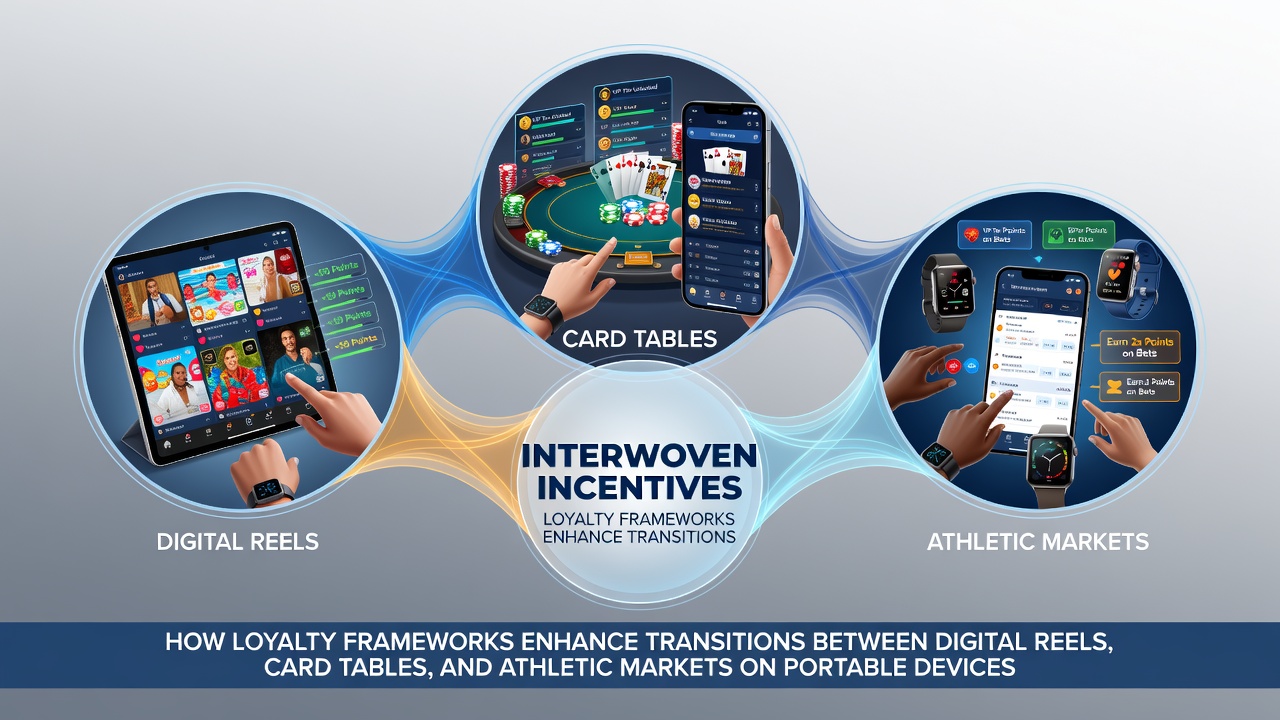
Interwoven Incentives: How Loyalty Frameworks Enhance Transitions Between Digital Reels, Card Tables, and Athletic Markets on Portable Devices
Digital platforms have integrated loyalty frameworks that allow users to move between slot games, table experiences, and sports wagering while carrying accumulated rewards across each segment, and these systems rely on unified account structures that track activity in real time. Operators design these frameworks so that points earned from one category convert directly into benefits usable in others, which reduces friction when players switch activities on the same portable device. Data from industry reports indicate that such cross-category tracking has expanded significantly since the mid-2020s, with mobile sessions now accounting for the majority of engagement across multiple game types.
Core Mechanics of Unified Loyalty Systems
Centralized ledgers record every spin, hand, or wager under a single profile, and algorithms adjust reward tiers based on total activity rather than isolated play. Users therefore receive tier upgrades that apply simultaneously to reel bonuses, table-game perks, and sports-market odds enhancements. Developers implement API connections between different game engines so that a completed sports bet can immediately unlock free spins or dealer-table credits without separate logins or transfers. Research from academic centers such as the University of Nevada, Reno shows these integrations maintain consistent user retention rates when the conversion rules remain transparent and automated.
Mobile-Specific Design Elements
Portable-device interfaces display consolidated dashboards that list available rewards across all categories at once, while push notifications alert participants to time-sensitive offers that bridge reel sessions with upcoming athletic events. Developers optimize these screens for quick navigation because most transitions occur within single sittings, and touch-friendly menus reduce the steps required to redeem points earned from card play toward sports wagers. Security protocols encrypt the shared data streams, and regulatory bodies in multiple jurisdictions require audits of these encryption methods to protect account integrity during rapid switches.

Cross-Market Reward Conversion Examples
One documented case involves a tiered system where points from progressive slot sequences convert at a fixed ratio into enhanced odds for live sports markets, and the same points can simultaneously unlock lower table minimums during card sessions. Operators publish conversion tables that remain constant across sessions so participants understand exact values before committing activity. According to figures released by the New Jersey Division of Gaming Enforcement, platforms using these fixed-ratio conversions recorded measurable increases in session length during 2025 and into 2026, particularly among users who frequently moved between game types on smartphones and tablets.
November 2026 Industry Developments
Reports circulated in November 2026 highlighted expanded testing of loyalty bridges that incorporate real-time sports data feeds directly into slot reward calculations, allowing a live game outcome to adjust available reel multipliers within minutes. Trade associations such as the American Gaming Association noted that several major operators completed pilot programs for these dynamic links, with mobile traffic showing the highest adoption rates. These pilots emphasized compliance with regional rules on data sharing, and results indicated stable performance when conversion logic stayed synchronized across separate game servers.
Security and Compliance Considerations
Platforms maintain separate ledgers for each regulatory market while presenting users with a single view, and this architecture allows operators to satisfy differing jurisdictional requirements without disrupting the seamless experience on portable devices. Encryption standards and regular third-party audits address risks associated with rapid point transfers, and industry organizations recommend annual reviews of conversion algorithms to prevent unintended advantages. Observers note that jurisdictions outside the United Kingdom have introduced parallel notification timelines for changes to money-service features tied to loyalty accounts, creating a broader global baseline for transparency.
Conclusion
Loyalty frameworks continue to evolve by linking activity across digital reels, card tables, and athletic markets through shared mobile profiles, and operators rely on standardized conversion rules together with secure data handling to support fluid transitions. Evidence from regulatory filings and academic reviews demonstrates measurable effects on session continuity when these systems function without interruption, while ongoing pilots in late 2026 explore further integration with live event data. The structure remains grounded in verifiable tracking mechanisms that respect regional compliance standards across multiple markets.