Integrated Loyalty Systems and Payment Solutions in Modern Gaming Platforms
Written by Quinn Peters · Aug 13, 2026
Integrated Loyalty Systems and Payment Solutions in Modern Gaming Platforms
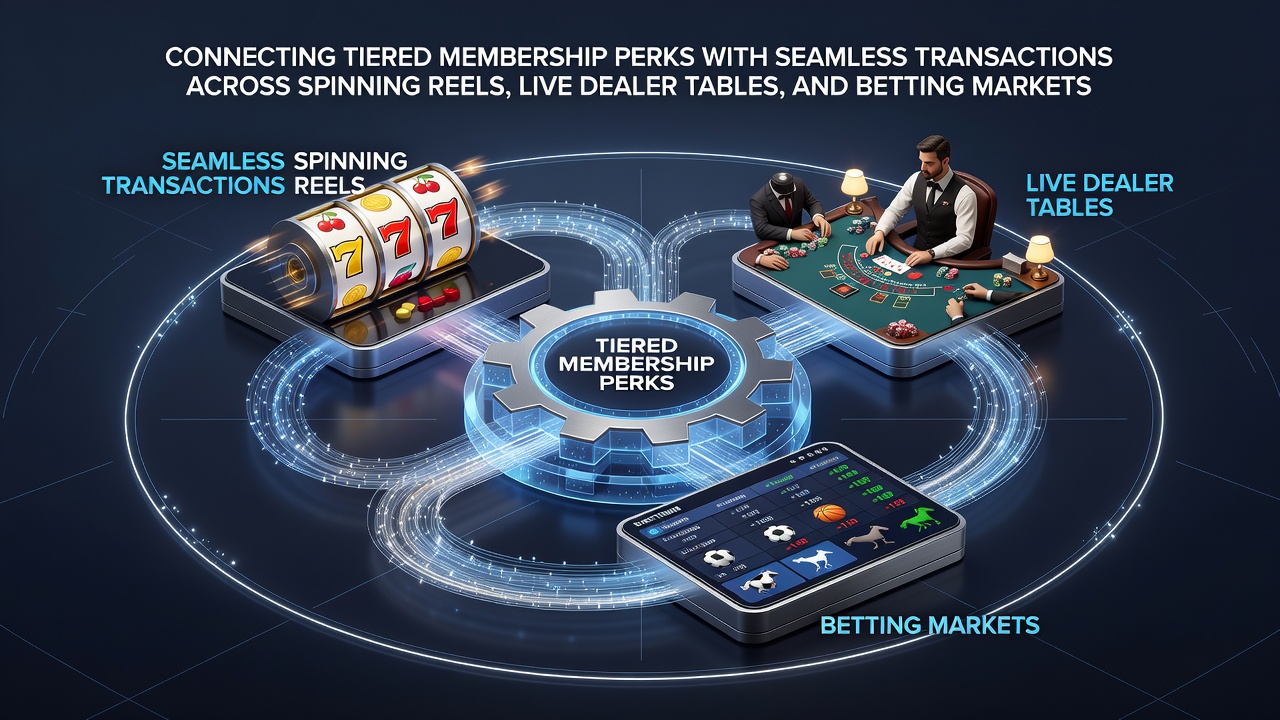
Platform operators have developed systems that tie membership tiers directly to transaction processing across slots, live dealer environments, and sports wagering interfaces, and these connections rely on automated reward calculations that update in real time when players complete deposits or withdrawals.
Tier Structures and Reward Triggers
Membership programs assign levels based on cumulative activity metrics such as wager volume and deposit frequency, after which higher tiers unlock faster processing speeds and reduced fees on transfers between different game categories, while data from industry reports shows these structures maintain consistent activation rates across multiple operator networks as of August 2026.
Entry-level participants receive basic cashback percentages on slot spins, yet advancement to mid-tier status adds instant credit applications during live dealer sessions where card draws and wheel spins generate immediate balance updates without separate confirmation steps.
Transaction Flows Across Game Types
Seamless transfers occur when players move funds from a central wallet to slot reels, then onward to live dealer tables, and finally into betting markets, because backend systems synchronize tier status with payment rails that recognize the same account credentials across each vertical.
Operators configure these rails to apply progressive benefits automatically, so a player completing a high-volume slot session sees the resulting tier elevation reflected in lower minimum bet thresholds on subsequent live blackjack tables and in adjusted odds margins within sports markets.
Technical Integration Points
API connections between loyalty databases and payment processors allow real-time status checks that trigger perk delivery without manual intervention, and researchers at the University of Nevada Reno documented similar architectures in a 2025 study examining cross-product transaction speeds. One example involves a deposit initiated on a mobile slot interface that carries tier-based fee waivers straight into a live roulette stream and then into an accumulator bet on a soccer match.
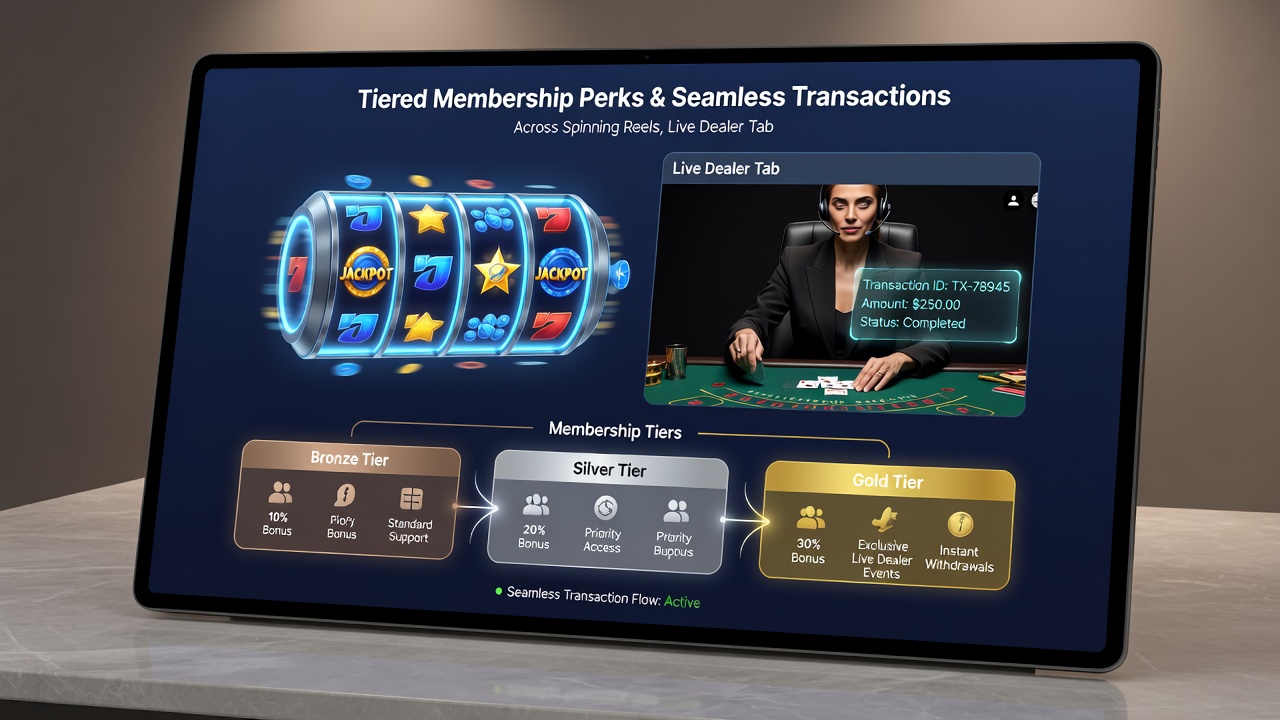
Security protocols embed tier verification within each transaction packet, which prevents unauthorized access while preserving the speed required for continuous play sessions that span multiple formats.
Regional Implementation Patterns
Platforms operating under the Nevada Gaming Control Board guidelines have incorporated these linked systems into licensed products, whereas operators serving Australian markets follow requirements from the Australian Communications and Media Authority that emphasize transparent display of tier benefits at the point of each transfer. Figures released by the American Gaming Association indicate that integrated loyalty and payment modules now appear in over sixty percent of monitored online offerings, with transaction completion times averaging under three seconds when tier perks apply.
Case examples include operators that route a single deposit through slot play, live dealer participation, and betting markets while maintaining the same reward multiplier throughout, because the membership engine recalculates eligibility after every completed round or wager settlement.
Conclusion
Current platform architectures demonstrate that tiered membership data and transaction processing share unified pathways across spinning reels, live dealer tables, and betting markets, and these connections continue to expand through standardized protocols that prioritize speed and consistency for participants operating in regulated environments.