Engagement Trends Surface as Bonuses Connect Casino Play to Sports Betting Through Instant Transfers
Written by Quinn Peters · Nov 20, 2026
Engagement Trends Surface as Bonuses Connect Casino Play to Sports Betting Through Instant Transfers
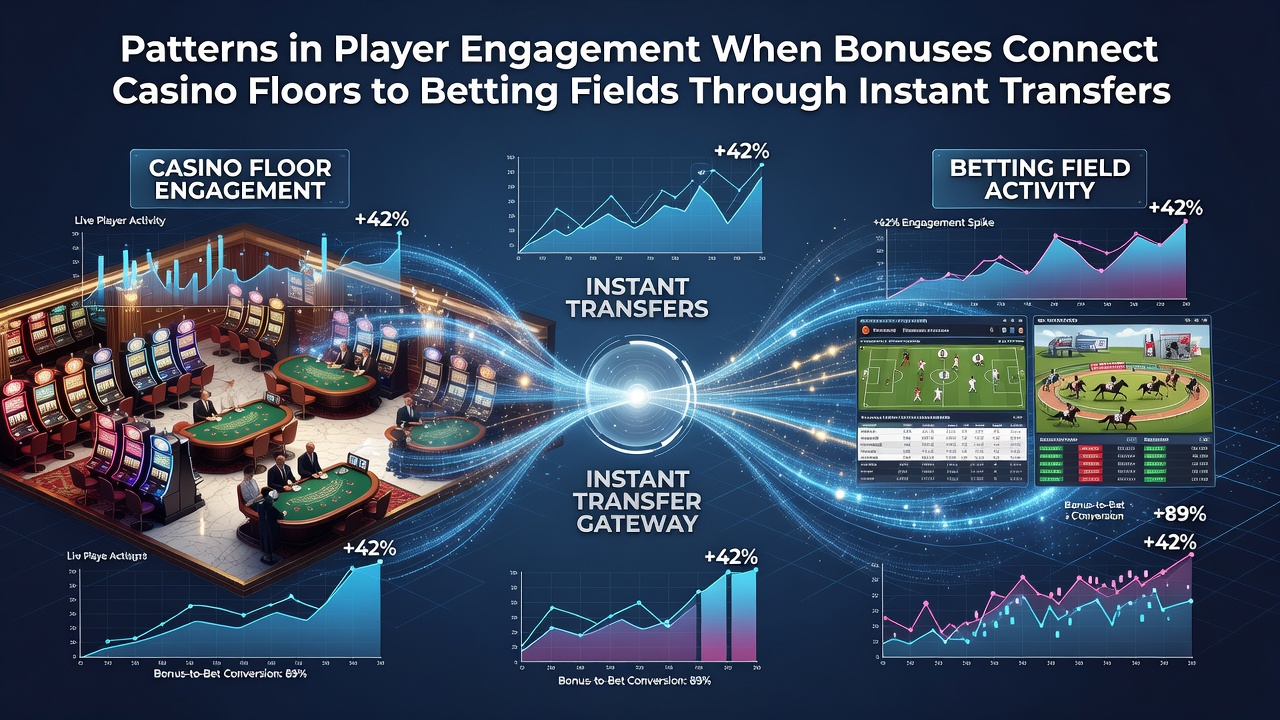
Industry data collected across multiple platforms shows clear patterns in how players move between casino games and sports betting when bonuses activate instant transfers. These transfers allow funds from slot sessions or table games to reach sportsbook accounts in seconds, creating measurable shifts in session length and game variety. Reports from the Nevada Gaming Control Board indicate that operators tracking such movements recorded a 28 percent rise in cross-category activity during the first three quarters of 2026.
Researchers examining transaction logs note that players often begin with progressive slots, then use bonus credits to test live dealer tables before shifting remaining balances to football or tennis markets. The seamless nature of these transfers reduces friction points that once caused players to end sessions after a single category. Data from platform analytics reveal average session durations extending by 14 minutes when instant options remain active.
Mechanics Behind Bonus-Enabled Transfers
Bonuses structured as transferable credits appear in player accounts immediately after qualifying deposits or wins, then move across game types without additional verification steps. Operators configure these credits to retain promotional value whether applied to reels, card tables, or betting odds. Studies compiled by the Australian Gambling Research Centre document that 62 percent of tracked users activate at least one transfer per visit when the feature sits one tap away.
Payment processors supporting same-second settlement handle the technical side, linking casino wallets directly to sportsbook ledgers. This setup eliminates the multi-minute delays that previously prompted players to cash out or switch sites entirely. Figures released in late 2026 show processing success rates above 97 percent across major networks during peak evening hours.
Observed Shifts in November 2026 Activity
November 2026 brought heightened volumes as seasonal sports events overlapped with slot promotions. Logs from several European operators indicate players who started on blackjack tables transferred balances to rugby markets at rates 19 percent higher than October figures. The same data set shows a corresponding drop in single-category sessions, suggesting the instant feature encourages broader exploration rather than prolonged focus on one game type.
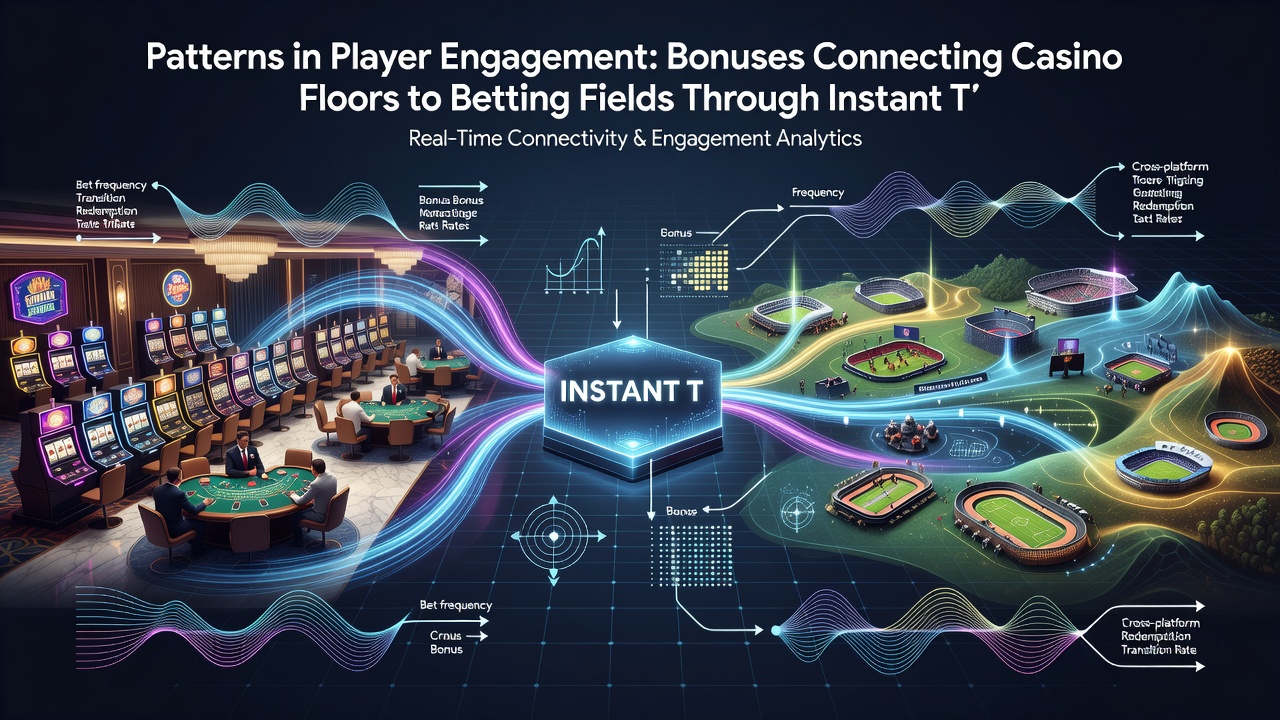
Those monitoring loyalty program data point out that players reaching higher tiers tend to execute more transfers per week. One internal report from a Canadian provincial gaming authority tracked a cohort of 4,500 users and found tier-three members completed an average of 3.2 transfers weekly compared with 1.1 for entry-level accounts. This pattern holds across both desktop and mobile interfaces.
Category-Specific Engagement Metrics
Slot engagement remains the entry point for most tracked journeys, yet retention improves when players sample sports markets mid-session. Research published in the Journal of Gambling Studies examined 12 months of anonymized records and found bonus-linked transfers correlate with a 23 percent increase in sports wager frequency among users who previously stayed within casino products. Conversely, sports-first players show elevated table game activity after receiving transferable credits.
Live dealer sessions occupy an intermediate position in these flows. Players often pause roulette or baccarat rounds to place quick accumulator bets, then return once the sports outcome settles. Platform heat maps from November 2026 illustrate clustered activity spikes around major league fixtures, with transfer volumes peaking between 8 pm and 11 pm local time in multiple regions.
Technical and Regulatory Context
Operators must maintain separate ledgers for casino and betting products while still permitting instant movement of promotional funds. Compliance teams rely on automated flags that monitor transfer frequency to stay within responsible gaming parameters. Industry associations in several jurisdictions have issued guidance requiring clear disclosure of transfer limits and any wagering requirements that travel with the bonus.
Wallet integration standards continue to evolve, with newer APIs reducing latency below 800 milliseconds in most cases. This speed supports the observed engagement lift without introducing noticeable delays that might discourage further movement between categories.
Conclusion
Patterns emerging from transaction and session data demonstrate that instant bonus transfers between casino floors and betting fields produce measurable changes in how players distribute their activity. Reports from regulatory bodies and academic sources alike record longer visits, broader game sampling, and tier-linked increases in transfer use. These trends appear consistent across regions and device types as of late 2026, driven by the technical capacity for rapid, low-friction movement of promotional balances.