Cross-Vertical Reward Mechanisms Bridging Slot Automation, Traditional Gaming Tables, Live Dealer Platforms, and Sports Markets
Written by Elena Hoffmann · Aug 23, 2026
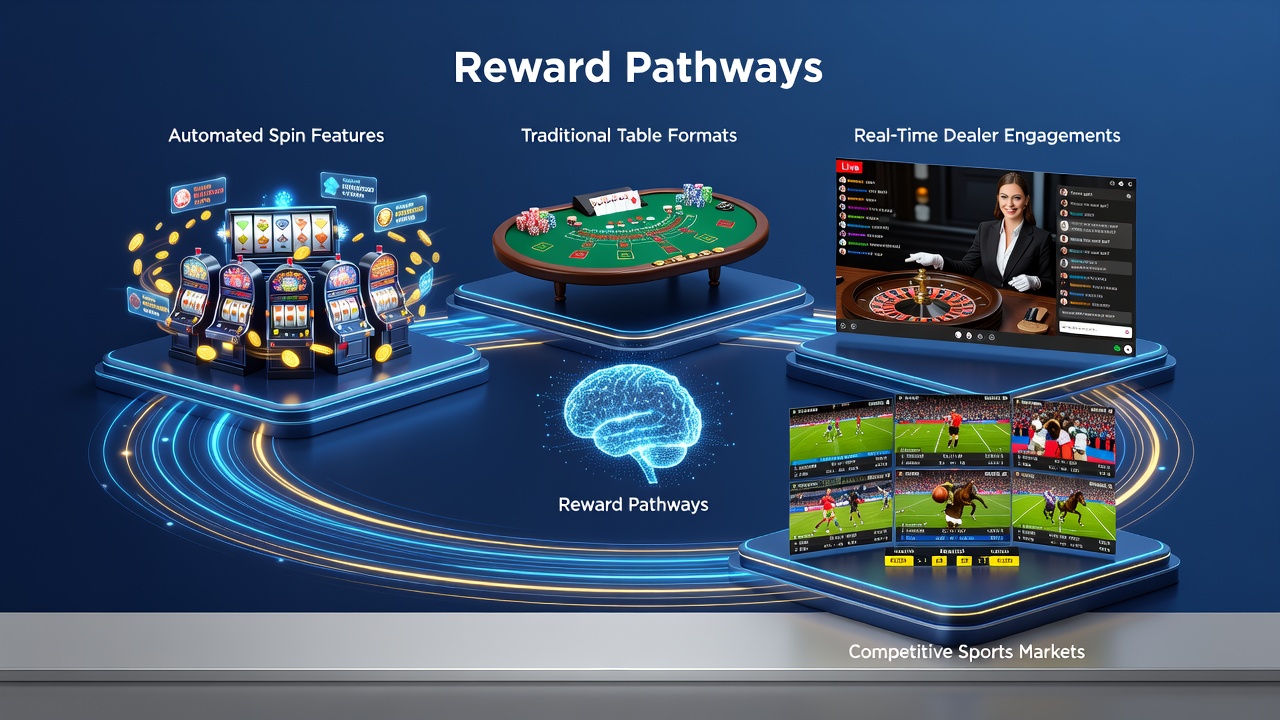
Cross-Vertical Reward Mechanisms Bridging Slot Automation, Traditional Gaming Tables, Live Dealer Platforms, and Sports Markets
Integrated reward systems now connect automated spin features with traditional table formats, real-time dealer engagements, and competitive sports markets through unified loyalty frameworks that track player activity across multiple verticals, according to industry reports from August 2026. These pathways allow points earned from one activity to convert into bonuses usable in another, creating seamless progression for users who move between automated reels and live table sessions without separate account resets.
Research from regulatory bodies in North America shows that operators deploy tiered systems where spin frequency in automated slots contributes directly to status levels that unlock perks in table game environments, while participation in sports markets adds multipliers based on wager volume. Data indicates these connections rely on centralized databases that log every transaction in real time, enabling instant reward allocation.
Automated Spin Features Within Broader Loyalty Structures
Automated spin features generate high volumes of micro-transactions that feed into reward pathways, and operators link these to cumulative progress bars that span entire gaming ecosystems. Figures from Canadian provincial gaming authorities reveal that players completing daily spin challenges often receive credits applicable to table formats, while streak bonuses from automated sequences carry over to live dealer sessions. This integration reduces friction for users who prefer quick reel cycles before transitioning to slower-paced table play.
Studies conducted by academic institutions in Australia highlight how algorithms adjust reward rates based on spin patterns, ensuring that frequent automated activity accelerates progression toward higher tiers that benefit sports market participants through enhanced odds or cashback. Observers note that such mechanics encourage sustained engagement without requiring players to switch accounts or restart loyalty tracking.
Traditional Table Formats and Their Place in Unified Rewards
Traditional table formats contribute to reward pathways through measured bet totals and session durations that accumulate alongside automated spins and live engagements. European trade group analyses from mid-2026 demonstrate that points from blackjack or roulette tables convert at standardized rates into bonuses redeemable across dealer streams and sports wagers. These conversions maintain parity so that table play holds equivalent value within the overall system.
One study revealed that players who alternate between table formats and automated features achieve faster tier advancement when the underlying platform unifies data streams. What's interesting is that operators in various regions adjust multiplier events around peak table hours to balance participation across all connected markets, including competitive sports.

Real-Time Dealer Engagements Driving Cross-Format Progression
Real-time dealer engagements add social and interactive layers to reward pathways, with session metrics such as hand counts and tip amounts feeding directly into unified accounts. Reports from gaming associations in the United States indicate that live dealer participation often triggers bonus rounds transferable to both automated spins and sports markets, creating immediate incentives for extended play. These engagements rely on video streaming infrastructure that logs every interaction for accurate point allocation.
Researchers discovered that combining live dealer time with table formats accelerates reward unlocking, while sports market activity during live sessions receives additional credits in some systems. Turns out these connections help maintain engagement flow when users switch between passive reel watching and active dealer interactions.
Competitive Sports Markets as Reward Pathway Anchors
Competitive sports markets anchor many reward pathways by offering outcome-based bonuses that integrate with gaming verticals, and data from Australian regulatory sources shows wager volumes in sports translating into credits for slot automation or dealer tables. August 2026 figures reveal rising cross-market redemptions where sports event wins fund play in traditional formats without additional deposits.
Industry organizations tracking global trends note that tiered rewards from sports activity frequently include access to exclusive live dealer events, while points from automated spins enhance sports betting limits. This bidirectional flow keeps participants engaged across the full spectrum of offerings.
Technical Foundations Supporting Integrated Rewards
Backend systems synchronize data across automated spins, table formats, dealer engagements, and sports markets through application programming interfaces that update loyalty balances instantaneously. Evidence suggests that secure wallet integrations allow seamless fund movement between categories, supporting the reward pathways without manual intervention. Observers note that August 2026 implementations included enhanced encryption protocols to handle increased cross-vertical traffic.
Those who've studied these platforms find that mobile applications serve as central hubs where users monitor progress across all four areas in single dashboards. Such designs reduce the need for separate tracking tools and encourage broader exploration of available features.
Conclusion
Unified reward pathways continue to evolve by linking automated spin features with traditional table formats, real-time dealer engagements, and competitive sports markets through shared tracking and conversion mechanisms. Data from multiple regions confirms that these systems promote sustained activity by allowing progress in one area to benefit others directly. As platforms refine their technical links, the connections between verticals grow tighter while maintaining regulatory compliance across jurisdictions.