Building Bridges in Mobile Gaming: Loyalty Structures Linking Spins, Cards, Live Sessions, and Sports in Portable Ecosystems
Written by Elena Hoffmann · Oct 8, 2026
Building Bridges in Mobile Gaming: Loyalty Structures Linking Spins, Cards, Live Sessions, and Sports in Portable Ecosystems
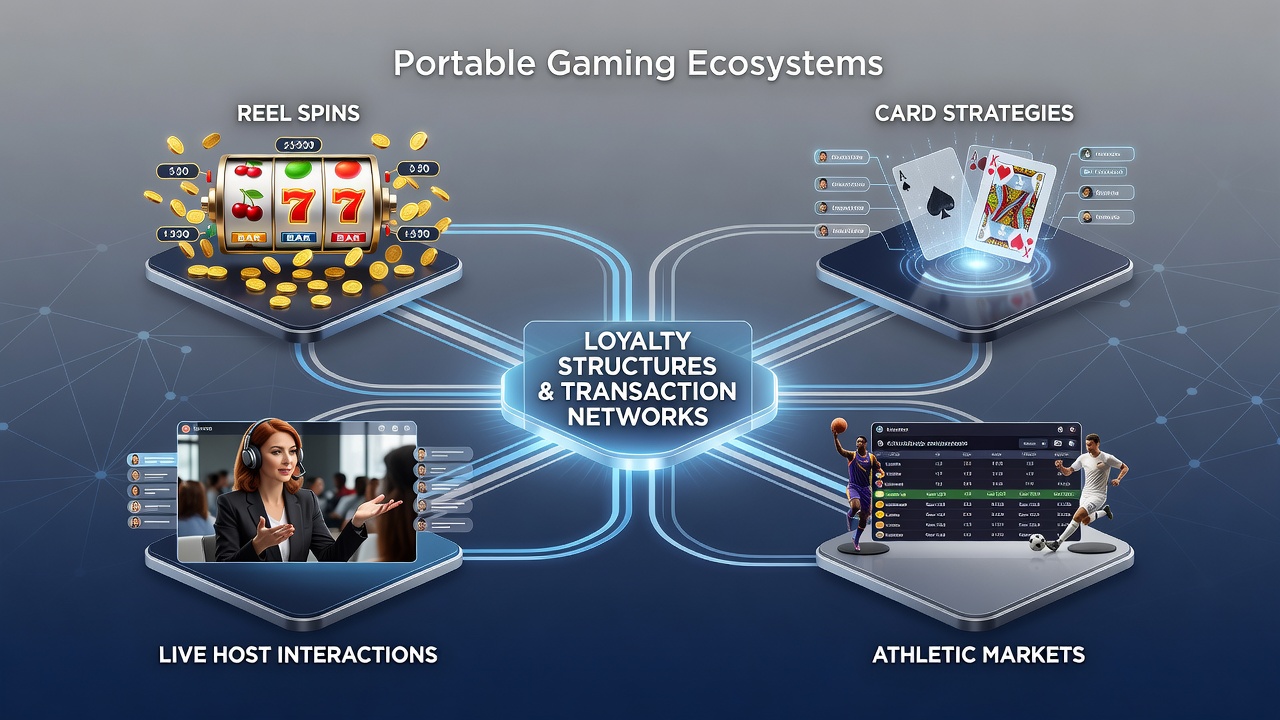
Portable gaming ecosystems have developed intricate loyalty structures and transaction networks that tie together reel spins, card strategies, live host interactions, and athletic markets into unified player journeys, and these systems rely on shared point accumulation along with seamless fund transfers to maintain engagement across device types.
Operators design tiered reward programs where activity in one category feeds directly into benefits available in others, which means players accumulate credits from slot sessions that later unlock reduced fees or bonus credits usable on card tables or sports wagers, while data from the Australian Gambling Research Centre shows that integrated wallets now handle over 70 percent of cross-category transfers in major markets.
Loyalty Point Mechanics Across Game Categories
Points systems operate on a unified ledger model, and each reel spin contributes base units that scale with bet size and frequency, yet the same framework assigns multipliers to live host sessions where interaction duration and tip amounts accelerate tier progression, whereas card strategy play often receives variable rates based on game variant and session length to balance overall ecosystem flow.
Those who track these mechanics observe that athletic market participation frequently carries promotional boosts during major events, which allows accumulated points from earlier reel or table activity to convert into enhanced odds or stake credits without separate registration steps, and this linkage reduces friction while encouraging diversified participation within a single account.
Transaction Networks Enabling Cross-Play Transfers
Digital wallets function as central hubs that move funds between game verticals in real time, and users initiate a deposit once then allocate portions across slots, card tables, live streams, and sportsbooks through the same interface, while security protocols such as tokenization and multi-factor authentication remain consistent regardless of destination.
Research from the National Council on Problem Gambling indicates that transaction speed improvements since 2024 have increased the average number of vertical switches per session by 35 percent, which demonstrates how network efficiency directly supports the loyalty layer by keeping balances accessible for immediate use in whichever category a player selects next.

Integration Patterns Observed in October 2026 Data Releases
Industry reports compiled during October 2026 reveal continued growth in mobile-only loyalty tiers that reward combined activity across all four categories, and figures from the European Gaming and Betting Association highlight a 22 percent rise in accounts that maintain active balances in both gaming and sports sections simultaneously compared with the prior year.
These patterns emerge because operators apply consistent progression rules that treat reel spin volume, strategic card decisions, live interaction metrics, and athletic wager totals as interchangeable inputs toward the same reward milestones, which simplifies the user experience while preserving distinct game rules within each vertical.
Case Examples of Network Linkages
One documented implementation allows points earned during live host roulette rounds to fund partial stakes on upcoming athletic events without additional deposits, and another model converts card game win streaks into temporary reel multiplier boosts that expire after a set number of spins, yet both rely on the underlying transaction network to execute the transfers instantly across devices.
Observers note that such linkages appear most frequently in applications serving multiple regulatory jurisdictions, where standardized payment rails accommodate varying tax treatments while loyalty ledgers remain centralized for the operator.
Conclusion
The architecture of loyalty structures and transaction networks in portable gaming ecosystems creates measurable pathways that connect reel spins with card strategies, live host interactions, and athletic markets through shared point systems and unified fund movement, and ongoing data collection continues to track how these connections evolve with device capabilities and regulatory environments.